
Termite Treatment
Subterranean termites tunnel through soil and wood near foundations. Technicians drill and inject barriers that stop colony expansion before structural damage spreads.
Pest control · the USA
The Peach State Pest Control Solutions sends technicians across the USA to locate nests, trace entry routes, and apply treatments matched to what each pest eats and where it hides.
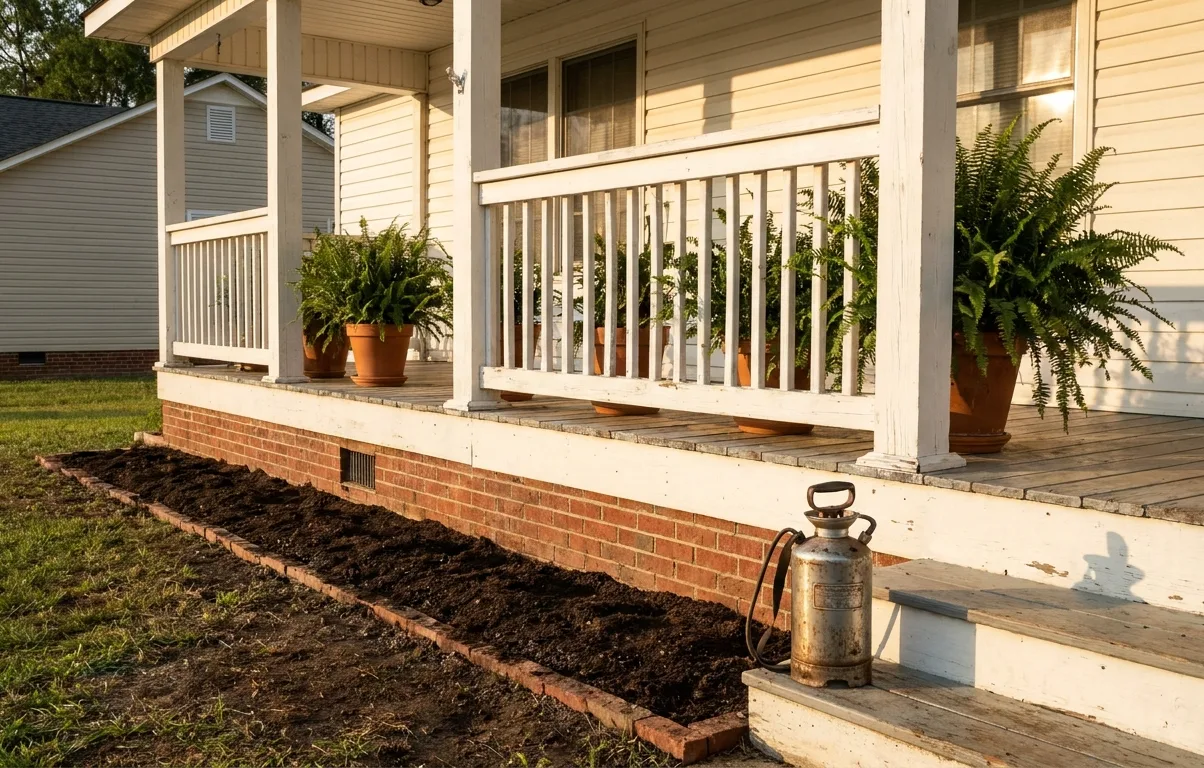
Technicians inspect foundation gaps, utility lines, and window seals to find how pests reach kitchens and living areas.
Work centers on locating moist soil zones, wall voids, and attic insulation where colonies build shelter and raise young.
Small bait stations go along baseboards and behind appliances so foraging insects carry material back to the main colony.
Each service addresses a distinct pest by matching treatment to its food source, nesting habits, and common travel paths inside homes.
Subterranean termites tunnel through soil and wood near foundations. Technicians drill and inject barriers that stop colony expansion before structural damage spreads.
Rats and mice enter through gaps around pipes and doors seeking food scraps. Snap traps and sealed stations remove populations while blocking further access.
Sugar ants and carpenter ants follow scent trails from outdoor nests into kitchens. Gel baits placed along these trails reach the queen and reduce new arrivals.
German cockroaches hide in warm moist crevices behind appliances. Gel and dust applications target hidden clusters so eggs do not continue to hatch.
Bed bugs travel on luggage and furniture to mattresses and baseboards. Heat treatments combined with targeted sprays reach folds and crevices where eggs cluster.
Mosquitoes breed in standing water near yards and porches. Technicians treat breeding spots and apply perimeter sprays that reduce adult biting activity.
Fleas and ticks move from outdoor vegetation onto pets and carpets. Yard sprays and indoor dusts break the life cycle at larval stages.
Yellowjackets and hornets build paper nests in wall voids or eaves. Technicians use dusts that reach the nest without disturbing nearby residents.
Pests leave clues based on their habits. Termite mud tubes along foundations show soil connection. Rodent droppings appear near food storage. Ant trails form straight lines from entry points to crumbs. Cockroach egg cases cluster behind refrigerators. These signs indicate active nesting rather than stray visitors.
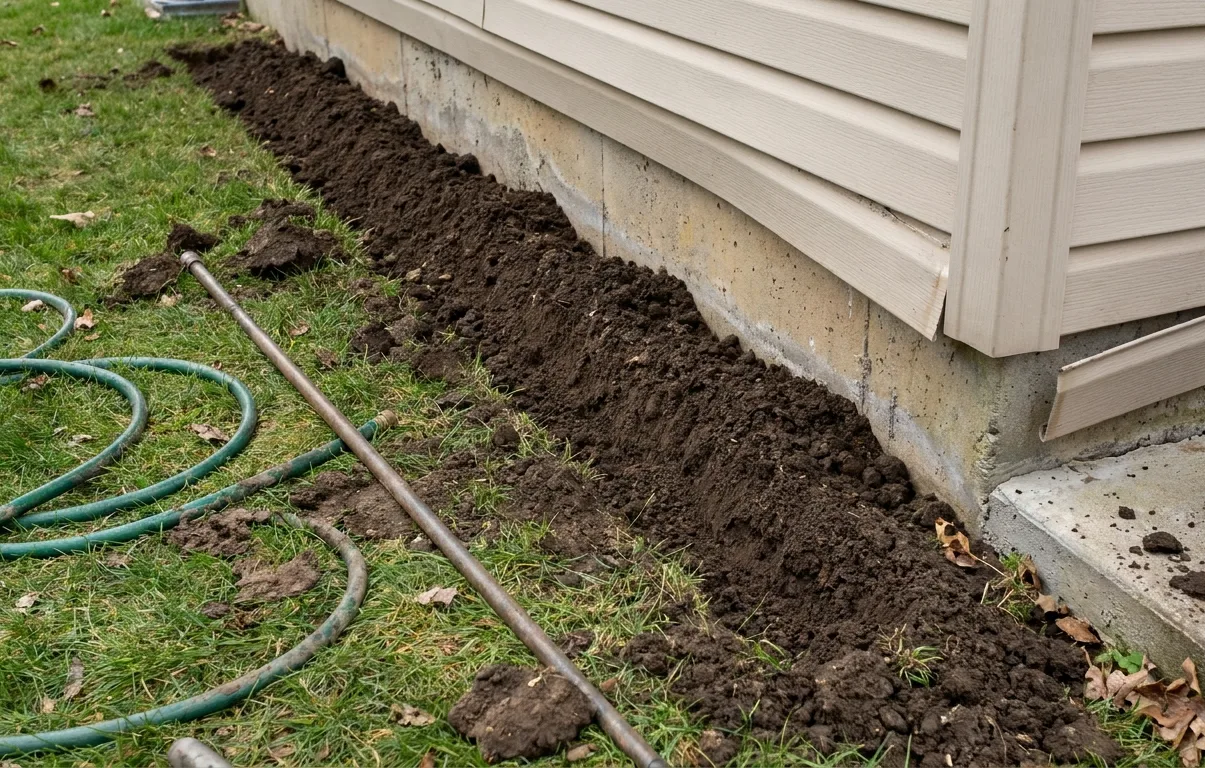
Note which rooms show activity and avoid moving stored items that could scatter pests further. Keep pets and children away from visible trails or nests. Wipe counters to remove food sources but leave droppings in place so technicians can identify the species quickly upon arrival.
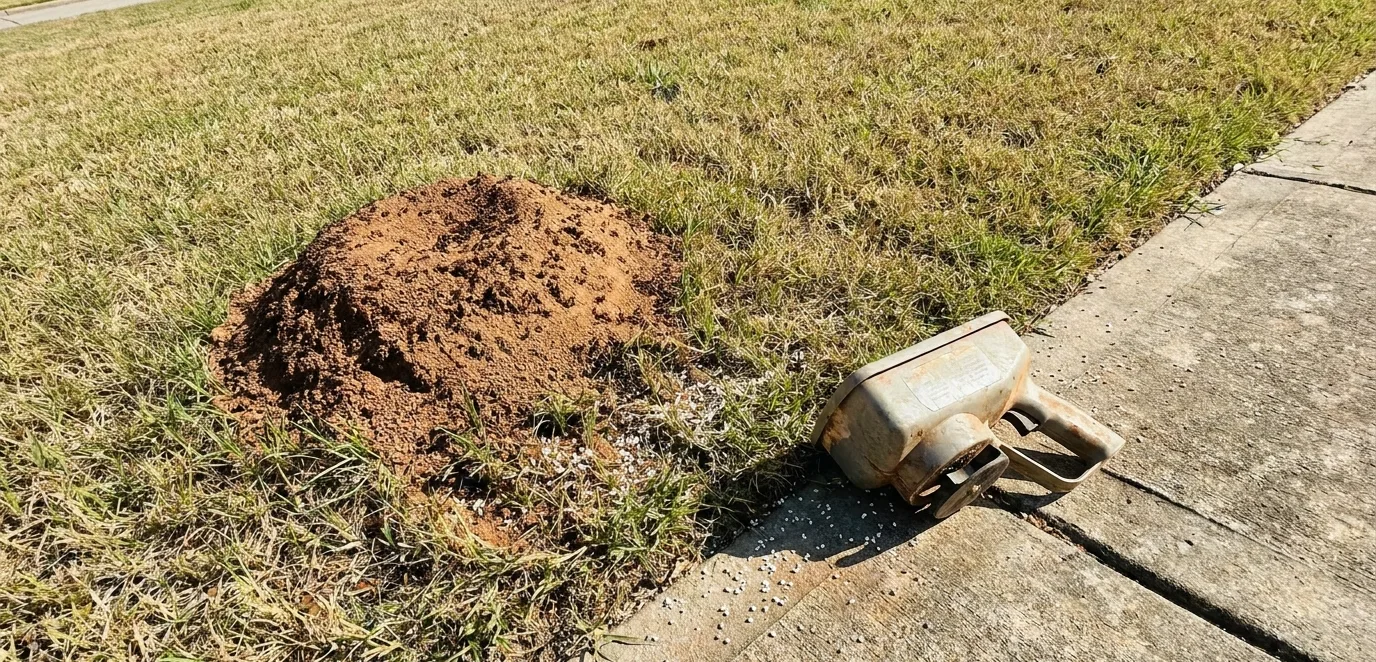
The Peach State Pest Control Solutions follows a clear sequence that identifies the pest, removes the source, and prevents return across USA homes.
Technicians examine exterior perimeter, attic, crawl space, and kitchen zones to record moisture levels and pest evidence before any product is applied.
Materials chosen match the pest diet and nest location, such as termiticide in soil or gel along ant trails, avoiding broadcast sprays.
Gaps around pipes, vents, and doors receive mesh or caulk sized to the pest so new individuals cannot re-enter after the colony is gone.
Return checks confirm no fresh signs and allow adjustment of stations if seasonal changes bring different foraging patterns.
Technicians begin with a room-by-room walk-through to map travel paths and nesting spots. They place monitoring cards, apply targeted materials, and seal obvious gaps. Follow-up visits check whether activity has stopped and adjust placement if new trails appear.
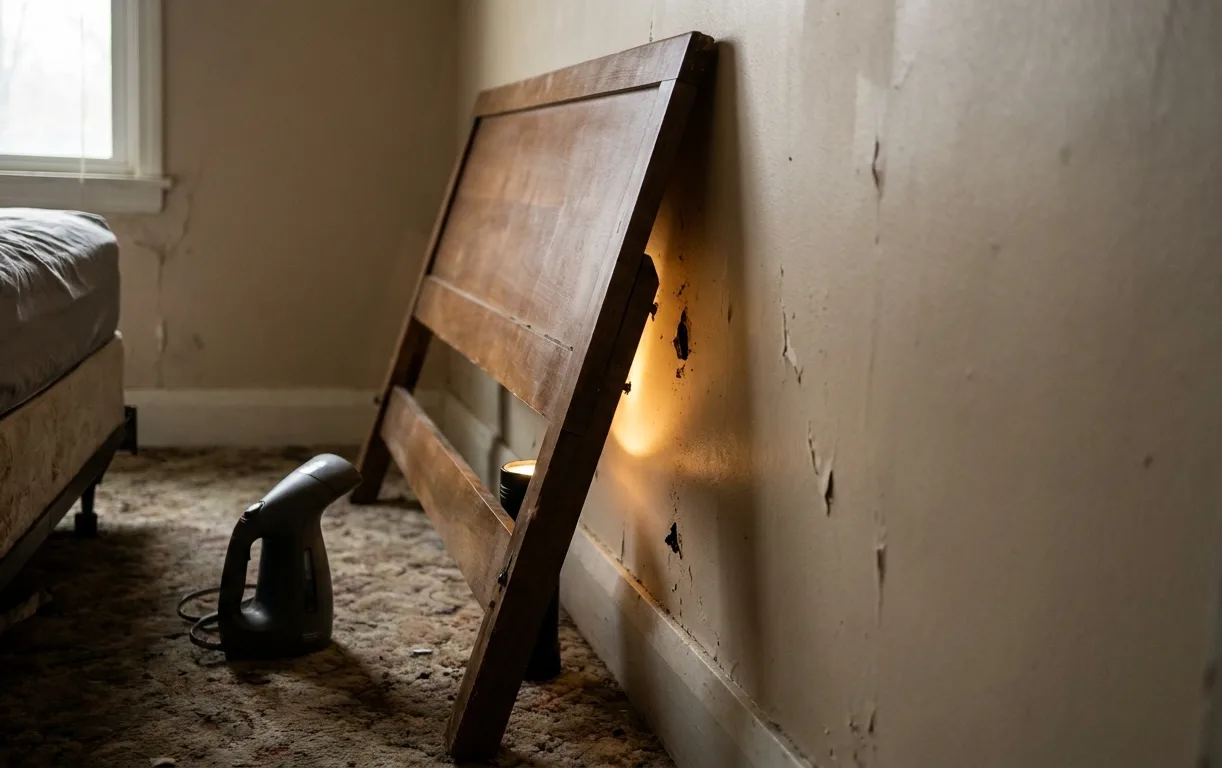
After treatment, damaged wood or insulation is examined for structural soundness. Small voids can be sealed with mesh and caulk. When nests have caused widespread weakening, replacement of affected sections prevents future entry and supports lasting control.
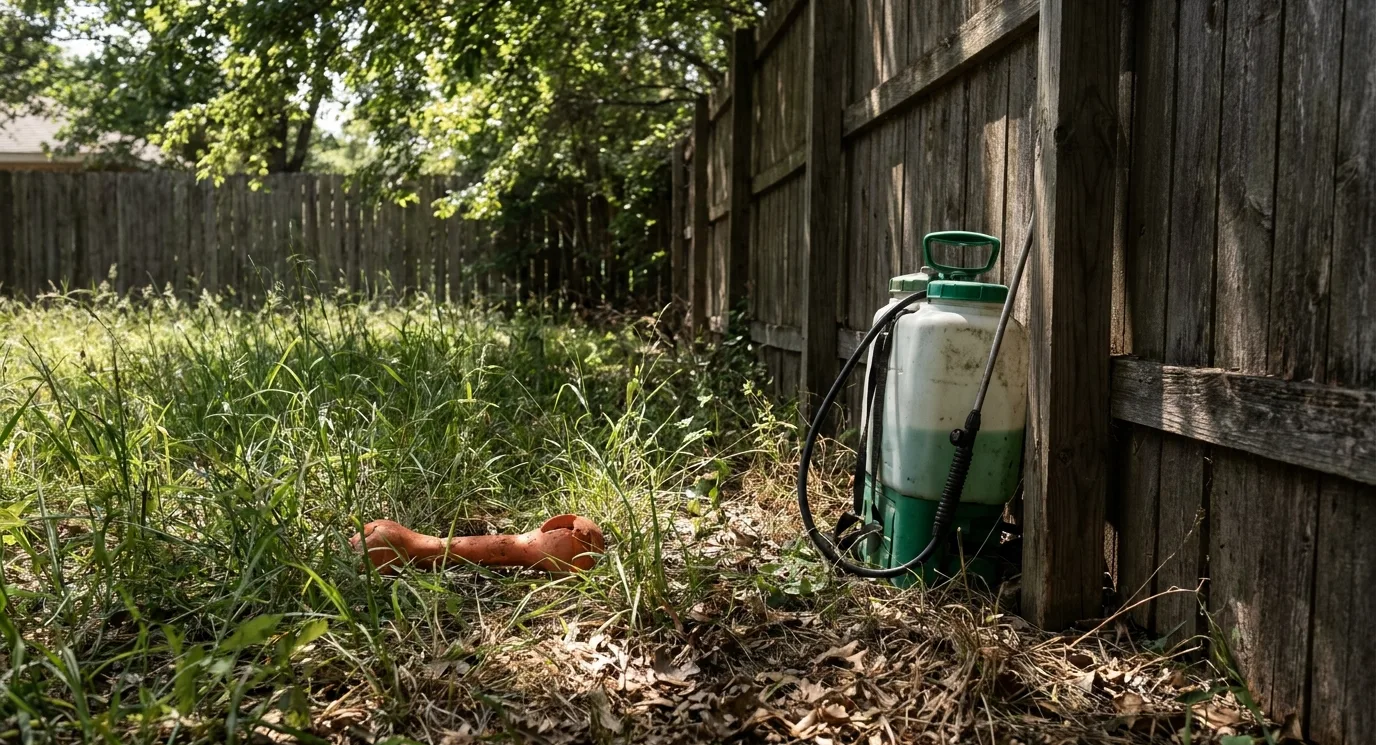
The size of the property and number of separate nesting areas determine how many stations or drill points are required. Pests that nest deep in walls or soil need more time and specialized equipment than surface treatments. Seasonal activity levels also change the number of visits needed to reach full reduction.
Older homes often have more cracks and outdated plumbing that create hidden routes. Rental units require coordination with property managers for access. Treatments focus on shared walls and common areas to keep activity from moving between units.
Look for droppings shape, trail patterns, and nest materials. Mice leave rice-sized droppings while cockroaches leave smaller dark specks. Mud tubes point to termites and paper nests indicate wasps.
Store food in sealed containers and reduce standing water around the home. Avoid spraying store products near hidden nests because they can scatter colonies without removing the source.
New trails often trace back to unsealed gaps or missed secondary nests. A follow-up visit maps the fresh route and adds stations where needed.
Bait stations and targeted dusts stay inside walls or behind appliances. Technicians place them where daily movement does not reach them directly.
Foraging ants and roaches decline within days as bait reaches the nest. Termite and bed bug work can take longer because colonies are deeper and eggs continue to hatch.
Spring brings more ant and termite foraging while fall increases rodent entry. Technicians adjust station placement and product type to match current travel patterns.
Contact The Peach State Pest Control Solutions to arrange an inspection and begin targeted treatment for your property.